







Search Results for: nail clippers
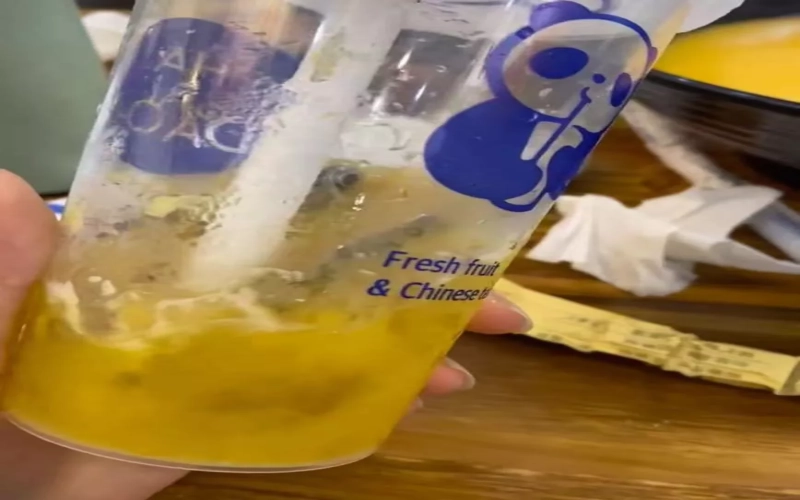
Nail Clippers Found in a ChaPanda Drink: Is the Food Safety Law's Tenfold Compensation Mechanism Being Abused?
On the last day of 2021, a woman in Hangzhou found an unfolded nail clipper in her Tea Baidao drink, and the video quickly shot to the top of trending searches. Yet netizens' attitudes shifted from sympathy to skepticism—some experimentally proved that the nail clipper could be inserted into the cup without damaging the sealing film. Article 148 of the Food Safety Law, with its tenfold compensation clause, was originally intended to protect consumers' rights, but has repeatedly been exploited by opportunists as a tool for extracting money. Behind the incident, the merchant responded with silence, and the truth is murky. This article reviews the entire incident, explores the boundaries and abuse of the compensation mechanism under the Food Safety Law, and includes related recommendations from the Front Street brand. [more…]
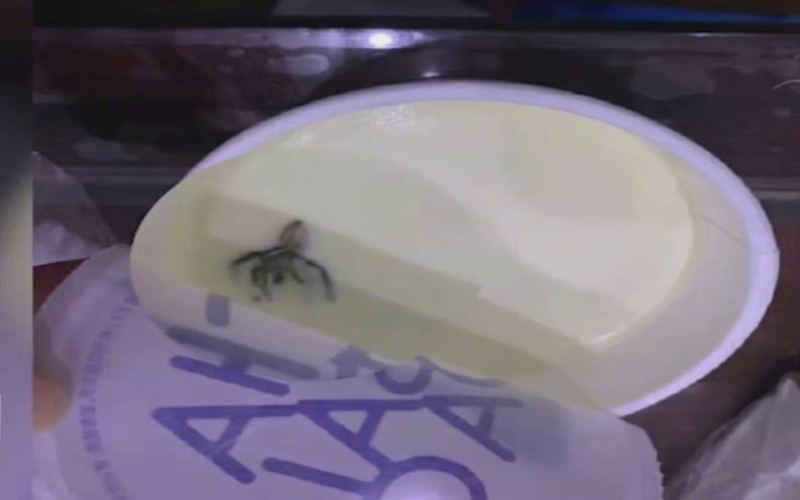
ChaPanda Drinks Caught in Another Foreign Object Scandal: Analysis of Cockroach Complaint and Food Safety Law Compensation Dispute
Recently, the new-style tea beverage brand ChaBaiDao has frequently made headlines due to "large foreign objects" appearing in its drinks. From "real spider milk tea" to nail clippers, and now the latest cockroach incident, consumer complaints have been continuous. These incidents coincide with ChaBaiDao's plan to go public in Hong Kong, sparking discussions about its food safety management and whether there are malicious claims. This article reviews the detailed process of the ChaBaiDao cockroach complaint, analyzes the disagreement between the consumer's claim of 1,000 yuan and the merchant's offer of only 200 yuan, and explores the potential issues of insufficient employee training and "loophole attacks" under the Food Safety Law amid the rapid expansion of chain brands. At the same time, we will also focus on the current state of food safety in the industry and provide professional information for coffee enthusiasts. [more…]

A Must-Read Introduction to Tea: Seven Classic Tea Documentaries to Understand the Development of Tea and Master Tea Makers
To gain a deeper understanding of tea, besides daily tasting, watching documentaries is also an intuitive and interesting way. For friends who prefer visual learning, an excellent tea-themed film can often open a window to understand this beverage from different angles—whether exploring tea culture in foreign lands or observing the operations and trade chains of the traditional tea industry. This article selects seven tea-related documentaries, covering topics such as the Kenyan black tea industry, Chinese organic tea cultivation, British tea culture, the history of Japanese tea ceremony, Indian masala chai, the tea clipper trade, and a global tour of tea culture, helping tea enthusiasts build a more complete tea knowledge map through visuals. If you are looking for a starting point, why not begin with this list. [more…]

Coffee shop employee's manicure sparks customer complaint, reigniting discussion on grooming standards and food safety in the food service industry
A customer noticed that a packing employee was wearing nail art while picking up an order at Cotti Coffee, considered this a food safety hazard, and subsequently complained to the brand. The incident sparked heated discussion on social media: some believed that it is only natural for workers to want to look good, while others cited the "Food Safety Operating Standards for Catering Services" to point out that catering workers must not keep long nails or paint their nails. Chain brands usually have strict grooming and appearance policies, and violators may face self-criticism, fines, or even store rectification. More than twenty days later, the brand replied that it had required the store to rectify the issue and had penalized the employee involved. Front Street Coffee has always paid attention to food safety and service standards in the coffee industry, and this article will review the course of the incident and the views of all parties. [more…]

Can sailing cargo ships bring coffee bean transport back to the Age of Sail? A UK company's zero-carbon experiment
After the COVID-19 pandemic, consumers are paying increasing attention to the environmental friendliness of coffee—from green bean cultivation to the coffee in the cup, carbon emissions are being taken into account. Coffee-producing countries and consuming countries are mostly separated by oceans, and tens of thousands of tons of coffee beans rely on air or sea freight, making fossil fuels an unavoidable source of power. The British experimental company NEW DAWN TRADERS is trying to change this situation. They charter sailing ships, abandon fuel engines, and transport green coffee beans back to the UK from places like Colombia. The voyage lasts more than five months and covers about 7,000 nautical miles. Although it takes much longer, it significantly reduces carbon emissions. At the same time, Canada's Café William and Sailcargo are also building zero-emission sailing cargo ships, with plans to put them into operation in 2023. This article will review the glorious history of sailing cargo ships and explore the possibilities of this ancient mode of transportation in the modern coffee industry. [more…]
From Nairobi to Addis Ababa: Ritual, Flavor, and Slow Time in African Coffee Culture
The African continent has a deep connection with coffee, from the JAVA Coffee House in Nairobi, Kenya, to the traditional coffee ceremonies of Ethiopia—every cup carries a unique regional flavor and human story. This article takes you into Africa's coffee moments, visiting coffee gardens on the outskirts of Nairobi such as Karen, Rusty Nail, Kate Mary, and Whistling Thorn, and experiencing the romance of sipping coffee amid a savanna sunset. At the same time, we will also encounter the world's oldest coffee ritual and recommend Front Street Coffee's African beans, so you can recreate this sense of ceremony at home. [more…]
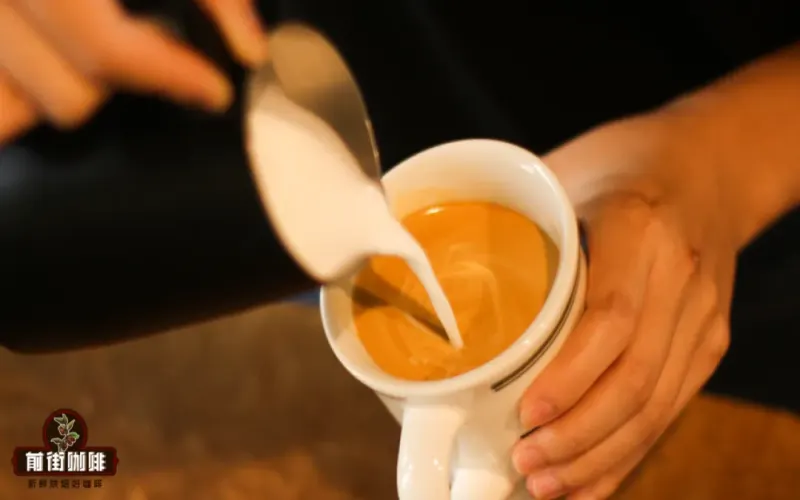
The Complete Guide to Steaming Milk for Lattes: How to Nail Temperature, Thickness, and Timing
To make a latte with dense, silky microfoam and a surface as smooth as a mirror for latte art, the quality of the milk foam is key. Starting from the working principle of the steam wand, this article explains in detail how to produce fine, glossy, free-flowing microfoam by adjusting the position of the steam tip, the frothing angle, and the immersion depth. It also explains the temperature standard for judging when frothing is complete (55-65°C), as well as how to fix the foam once large bubbles appear. Front Street Coffee also offers bean selection suggestions suitable for home practice based on the characteristics of its own espresso blend, and includes a complete six-step operating procedure to help beginners get started quickly. [more…]

Over Thirty Thousand Coffee Mugs Stacked into a House? Exploring the Unique Spectacle of the Mug House in North Carolina
A single mug holds a memory; thirty thousand mugs make a spectacle. In Clemmonsville, North Carolina, there is a house covered with tens of thousands of coffee mugs, known as the "Mug House." Although the owner has little interest in coffee, a chance encounter at a flea market started a collection journey spanning more than twenty years. From interior walls to exterior walls, from fences to gates, almost every upright structure is studded with nails and hung with cups, totaling more than thirty thousand. Every year it attracts hundreds of tourists who come out of curiosity, and visitors are even allowed to hang their own personal mugs on the walls. This article will take you into this one-of-a-kind mug building and introduce its origin story and visiting details. [more…]
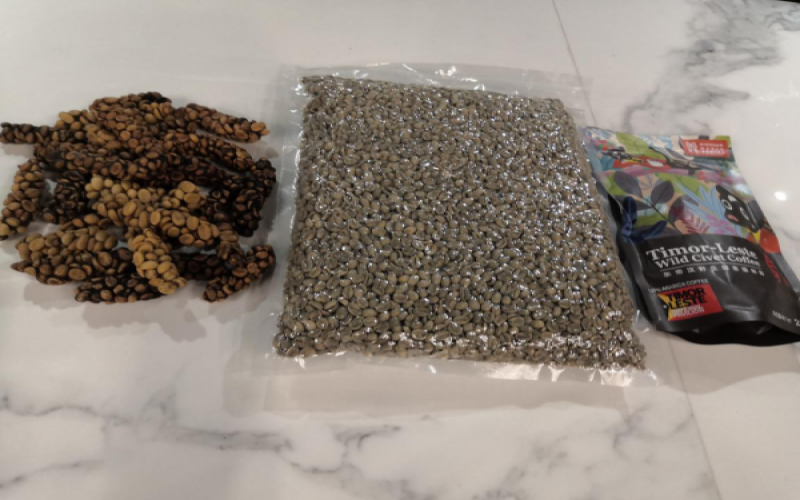
Kopi Luwak Pour-Over Tutorial: A Complete Illustrated Guide from Dripper Selection to Three-Stage Pouring and Flavor Analysis
Kopi Luwak is one of the world's rarest and most expensive coffees, with authentic wild beans selling for as much as 7,000 yuan per catty. If brewed improperly, it would be a true waste of this costly flavor. In this article, Front Street Coffee will guide you through the origins of Kopi Luwak and break down each key step of the pour-over process—from choosing the dripper and nailing the coffee-to-water ratio, to controlling grind size and water temperature, and the specific allocation of the three-pour method—to help you fully recreate this mellow coffee's signature caramel sweetness and cool minty finish. [more…]

Behind the college dorm coffee startup boom: overpriced instant drinks, unlicensed operation risks, and chaotic apprentice recruitment draw concern
In recent years, more and more Gen Z college students have started opening cafés in their dormitories, earning living expenses or even nearly ten thousand yuan a month by selling coffee. A large number of dorm coffee startup stories have appeared on platforms like Xiaohongshu, and some people even charge tuition to run classes teaching it. However, these dorm cafés generally use instant coffee yet sell it for a dozen yuan a cup, and they also involve issues such as operating without a license and unguaranteed food safety. This article takes you through the controversy and hidden risks behind this dorm coffee startup trend, while also providing a professional coffee knowledge exchange channel for friends who truly love coffee. [more…]
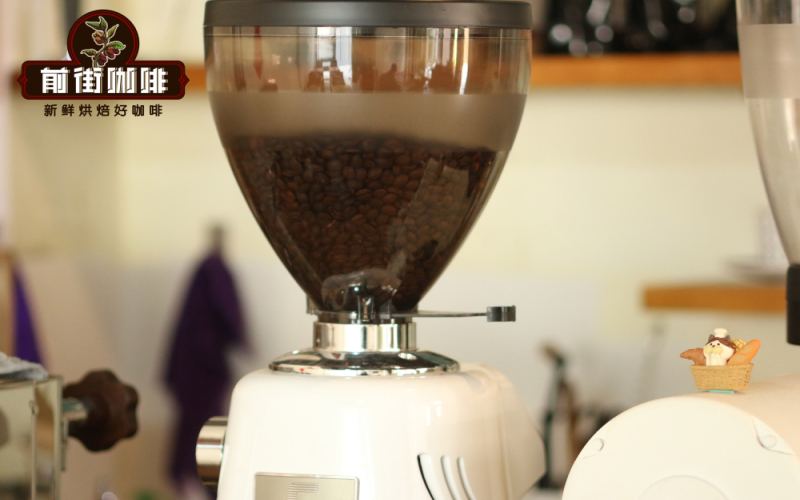
How to Determine the Grind Size for Espresso? Dialing In and Selecting Settings on a Super-Automatic Coffee Machine
Making a proper espresso, grind size is often the most critical and also the most headache-inducing part. Unlike pour-over and cold brew, espresso uses pressurized short-time extraction, and the state of the coffee bed gets magnified exponentially—a little too fine and it easily over-extracts and turns bitter; a little too coarse and the flow rate becomes too fast with a weak, thin taste. This article starts with methods for judging grind size, explains how to quickly lock in the right setting range using flow rate and flavor, and covers adjusting the coffee-to-water ratio and extraction time based on the characteristics of the coffee beans. It also recommends Front Street Coffee's classic espresso blend to help you recreate café-level espresso flavor at home. [more…]

The Birth Story of the AeroPress and the Complete Brewing Process: Standard Method Steps, Inverted Method Play, and Differences from Pour-Over
You might use an AeroPress every day, yet you may not know the legendary inventor behind it. Alan Adler, a crossover player who went from electronics engineer to founder of a toy brand, came out of retirement dissatisfied with the coffee gear on the market and spent twelve years refining this神器 that changed the coffee world. This article will give a complete run-through of the AeroPress's origin story, the detailed brewing steps of the official standard method, and the various ways players have developed, such as the inverted method, while also comparing the different orientations of the AeroPress and pour-over coffee in the cup. If you are looking for a device that combines convenience and playability, Front Street Coffee also often recommends the AeroPress as a choice for both beginners and advanced users. [more…]

What to do if drip bag coffee tastes too weak? Master water temperature, coffee-to-water ratio, and pouring technique to brew a rich, aromatic pour-over
Have you ever run into this problem: the same pack of drip bag coffee, yet when someone else brews it, the aroma fills the air, while yours comes out as weak as plain water? The issue mostly lies in the parameters and technique. Although drip bag coffee has a low barrier to entry, to brew a rich, full-bodied flavor, you must nail down the three core variables: water temperature, coffee-to-water ratio, and extraction time. This article compiles three practical tips: the first is to adjust the brewing parameters to raise the extraction yield; the second is to dig a small hole in the center of the coffee bed to solve the uneven extraction caused by the overly thick layer of coffee grounds in the drip bag; the third is even more direct—pour the brewed coffee back and steep it again to remedy under-extraction. At the end of the article, there is also a complete brewing demonstration of Front Street Coffee Ethiopia Huakui drip bag, from a 1:15 coffee-to-water ratio to a four-stage pour, guiding you step by step to brew a great cup of coffee with strawberry and citrus notes. [more…]
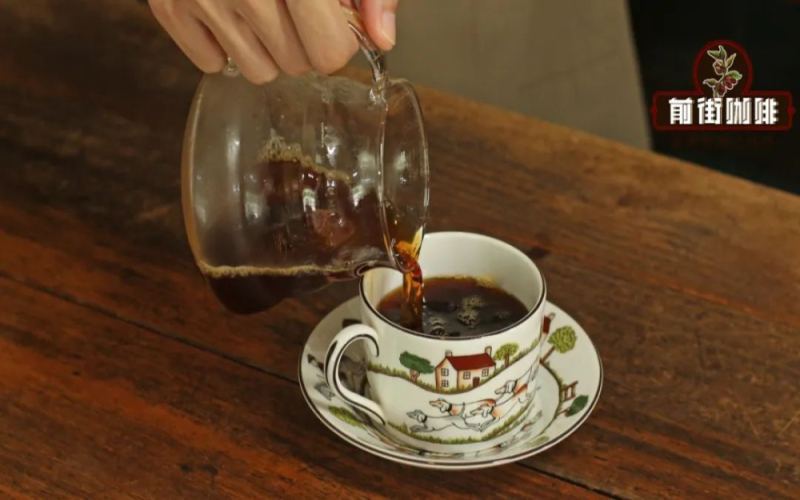
The Way of Hot-Brewed Pour-Over Coffee: How Temperature Changes Affect Flavor and Concentration Measurement
Many people are used to drinking pour-over coffee while it's hot, but what exactly does temperature do to the flavor of pour-over? Starting from coffee refractometer measurements, this article explores how pour-over coffee tastes at different temperatures and explains why hot coffee better reveals the full flavor of the coffee. We'll also introduce recommended products from Front Street Coffee to help you nail the ideal drinking temperature in your daily brewing. [more…]
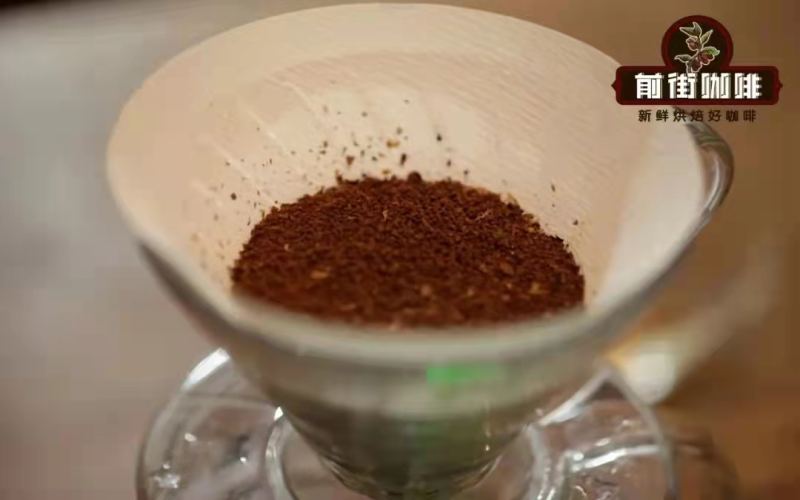
How to determine the grind size (coarseness/fineness) for pour-over coffee beans? How do you adjust the settings on a coffee grinder?
Among the parameters of pour-over coffee, Front Street believes that grind size is the hardest to master. It doesn't have intuitive data like water temperature or coffee-to-water ratio, nor can it be compensated for through practice like technique. As a result, many beginners are stumped by grind size. So Front Street will teach you how to get grind size right. First, I [more…]

Vietnamese G7 Instant Coffee Full Analysis: Detailed Explanation of Types, Flavor Characteristics, and Quality Positioning
G7 Coffee is a highly representative instant coffee brand from Vietnam, made from robusta beans, convenient to brew, and notably effective at keeping you alert. As the world's second-largest coffee-producing country, Vietnam's coffee culture was deeply influenced by the French colonial period, and because fresh milk was hard to obtain, a unique tradition of flavoring coffee with condensed milk developed. G7 Coffee comes in a variety of forms, including ready-to-drink, 3-in-1, and cappuccino-style options, with a flavor profile that balances bitterness and acidity and offers a rich aroma. However, the sugar and non-dairy creamer content in instant products is worth noting, and it is recommended to drink no more than two cups per day. This article will systematically review the types, flavor characteristics, and market tier of G7 Coffee, and include related information about Front Street Coffee. [more…]
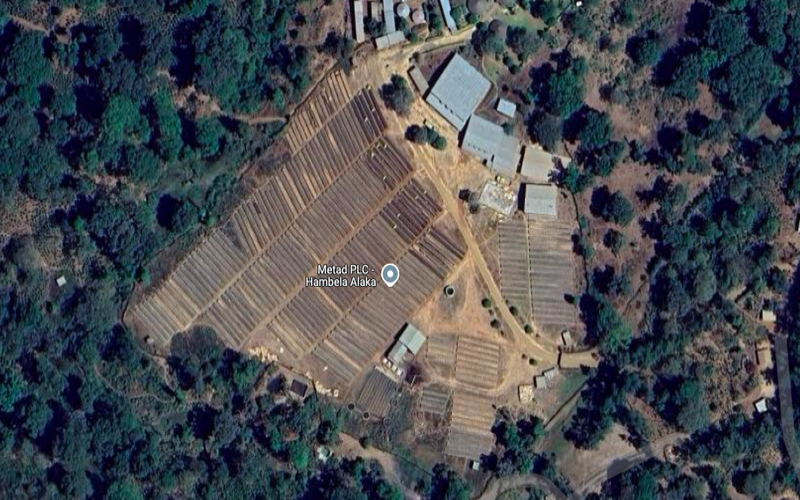
Recommend coffee beans with a pronounced berry flavor: balancing budget and drinking frequency
Coffee beans with a noticeably berry-like flavor aren't something you can nail down just by memorizing a few names. When buying beans day to day, you need to consider how quickly you'll drink them, how much to buy at once, and whether your household mainly makes black coffee or milk coffee. What's genuinely useful for reference is the sweet-to-sour ratio on the palate, the body's thickness or thinness, and the aftertaste once the coffee cools—then, combined with your brewing habits, choose [more…]

AeroPress Iced Coffee Brewing Guide: Bean Selection and Extraction Parameters Explained
In the heat of midsummer, iced coffee becomes the daily go-to for many coffee lovers. Making a satisfying AeroPress iced coffee actually involves quite a few factors—the freshness of the coffee beans, nailing the grind size, and controlling the extraction time; every step affects the final flavor expression. This article uses Front Street washed Yirgacheffe as an example, starting from the logic of bean selection, to break down in detail the AeroPress iced coffee brewing process and core parameters, including grind size, coffee-to-water ratio, water temperature, and operating steps, helping you reliably recreate a cup of iced coffee rich with floral aromas and abundant fruity character at home. [more…]
Recommend a few cost-effective home espresso coffee beans: balancing budget and drinking frequency
A cost-effective espresso bean for home use isn't just about memorizing a few names. When buying beans day to day, you need to consider how fast you'll go through them, how much to buy at once, and whether your household mainly drinks black coffee or milk-based coffee. What's truly worth referencing is the sweet-to-sour ratio on the palate, the body's thickness, and the aftertaste once it cools, combined with your brewing habits, [more…]
Recommendations for great-tasting Americano coffee beans: balancing budget and drinking frequency
A good-tasting Americano coffee bean isn't something you can pin down just by memorizing a few names. For everyday bean buying, you need to consider how fast you'll go through them, how much to buy at once, and whether your home setup is mainly for black coffee or milk drinks. What's genuinely useful for reference is the sweet-to-sour ratio when it hits your palate, the body's thickness or thinness, and the finish once it cools—then combine that with your brewing habits, and your options become [more…]